Where Curiosity Meets Code Between Meals

Pull up a chair, slide aside the fruit bowl, and join us as we explore Kitchen Table Coding Experiments that turn everyday objects into playful prototypes and teachable moments. Today’s journey shows how laptops, paper, tape, foil, and sheer curiosity can spark real computational thinking. Expect easy wins, charming missteps, and discoveries powered by coffee, collaboration, and the joyful noise of keys clicking near the salt shaker.

Set the Stage: Tools, Safety, and a Sprinkle of Imagination

What You Really Need

A charged laptop, a notebook, painter’s tape, scissors, markers, aluminum foil, a handful of paper clips, cardboard scraps, and optional microcontrollers are enough to begin. Add washable cloths for quick cleanup, small resealable bags for components, and sticky notes for labeling. Keep power strips off the table, and store everything in a shoebox so the lab appears whenever inspiration strikes.

Space Rules That Keep the Fun Safe

Make left side for materials, right side for laptop, center for builds, and a no-liquid zone around power. Wipe the surface before you start, treat batteries respectfully, and never force connectors. Agree on a cleanup timer, take photos before moving anything, and put sharp tools away immediately. Clear boundaries turn a kitchen into a workshop that welcomes creativity, not accidents.

Mindset for Messy Success

Celebrate experiments that do not work on the first try, because they teach structure, debugging, and perseverance. Record guesses, observe outcomes, and adapt with small changes. Share wins aloud, laugh at detours, and give each attempt a name. Improvement grows when the process feels playful and forgiving. The best breakthroughs often appear right after a humble reset and a deep breath.

From Groceries to Gadgets: Turning Household Stuff into Circuits

Everyday items hide conductive surprises. Foil becomes wire, cardboard transforms into sturdy enclosures, and pencils draw carbon paths. Reusing common materials reduces fear and cost, letting newcomers explore with confidence. Start small, test continuity gently, and proudly document results. When projects use familiar objects, learning feels welcoming, immediate, and refreshingly unpretentious, like making toast while inventing a switch that actually clicks.

Sound-Triggered Emoji in Python

Use a simple audio library or a web-based notebook to read microphone levels, then display an emoji when claps exceed a threshold. Calibrate sensitivity with background noise measured during kettle whistles and whispers. Log values, visualize peaks, and teach conditionals gently. The room becomes a testing instrument, and laughter becomes data that validates thresholds and refines code choices in real time.

Webcam Color Detector in JavaScript

With p5.js or similar tools, sample pixels from the webcam, detect dominant hue, and change background colors accordingly. Hold up a tomato, watch red trigger a cheerful action, and capture a screenshot. Discuss RGB and HSL, smoothing noisy frames, and performance on modest laptops. It’s a lunch-break computer vision demo powered by produce, curiosity, and a few elegant lines.

Microcontrollers for the Tabletop: Optional, Affordable, Adorable

Boards like micro:bit, Circuit Playground Express, and Arduino bring sensors and lights to life without intimidating setups. Keep the code tiny, the feedback immediate, and the mounting strong with tape and cardboard. When the board blinks on cue, confidence blooms. It proves that physical computing can be neighborly, inexpensive, and content with a cutting board as a staging area.

Stories from Spilled Coffee: Real Moments, Real Learning
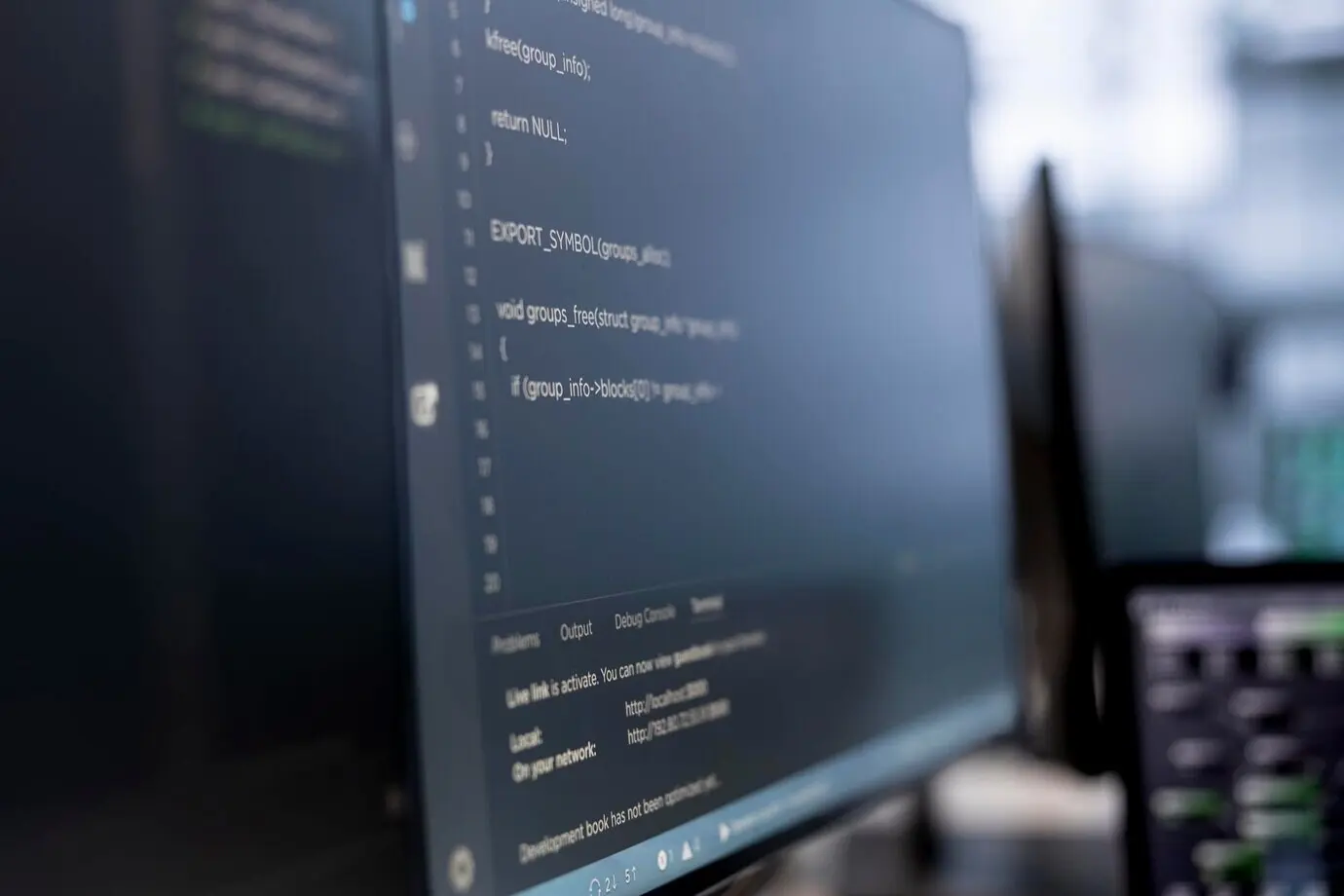
Projects rarely glide smoothly from idea to triumph. A spoon shorts a lemon battery, Wi‑Fi fades, or a library refuses to install. These moments teach diagnostics, patience, and creative alternatives. Recording what went wrong normalizes detours, turning embarrassment into fuel. Honest stories knit community, inviting newcomers to try, retry, and grin at the noble art of beginning again.

Share, Engage, and Grow Your Table Crew

Your First Post: A Picture and Three Numbers

Snap a clear photo, then share voltage, lines of code, and build time. Add a sentence about the trickiest moment and the fix that worked. Numbers provide anchors; the image tells story; your reflection teaches empathy. Invite replies with alternate approaches. This tiny format lowers the bar for posting and builds habits that document growth without stealing joy or time.

Weekly Prompt: The Mystery Sensor

Choose one input—light, temperature, sound, or tilt—and design something delightful without revealing the sensor at first. Post clues, code snippets, and a silhouette. Let readers guess, then unveil the build with a short debrief. Constraints boost creativity, and playful secrecy sparks engagement. Repeat next week with a fresh constraint, celebrating momentum, participation, and the ever-renewing cycle of curiosity.

Subscribe for Messy Mondays

Sign up to receive one approachable experiment, a printable checklist, and a troubleshooting tip every Monday morning. We keep parts cheap, code tiny, and outcomes shareable. Replies are encouraged, and we feature reader builds with permission. Together we create a rhythm that welcomes beginners, respects time, and turns ordinary tables into ongoing studios where learning quietly accumulates.

Fivakiziloro
Privacy Overview

This website uses cookies so that we can provide you with the best user experience possible. Cookie information is stored in your browser and performs functions such as recognising you when you return to our website and helping our team to understand which sections of the website you find most interesting and useful.