Make Tonight a Family Coding Adventure
Tonight we’re exploring Family Coding Night: Simple Experiments Parents and Kids Can Tackle Together, turning curiosity into giggles and practical skills. Expect tiny projects you can finish quickly, flexible steps that welcome all ages, and playful tips for fostering patience, teamwork, and creative confidence at home. Bring snacks, set a gentle timer, and let experiments guide your conversations, memories, and growing mastery.

Gathering Smiles and Laptops
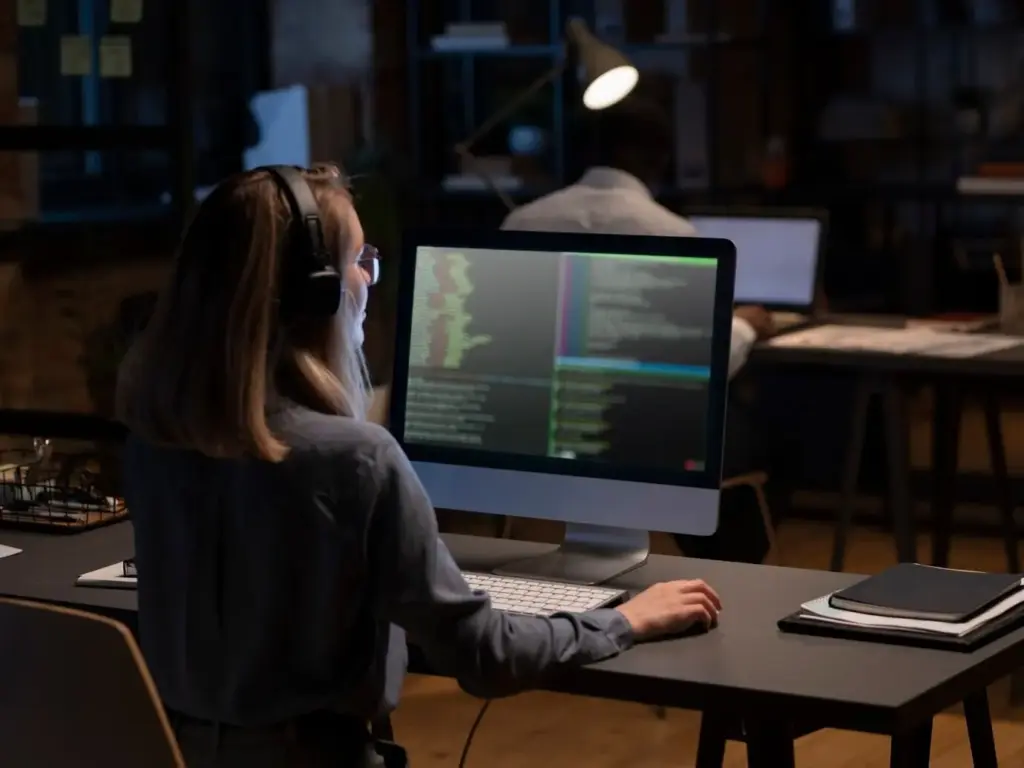
Before any lines of code appear, build an atmosphere where questions sound like music and mistakes feel like stepping stones. Clear a table, charge devices, and choose seats that let everyone see and be seen. A short plan, a friendly timer, and a bowl of fruit or popcorn can transform nerves into excitement, while a simple success checklist turns effort into visible celebration for every family member.
Five-Minute Wins that Spark Confidence
Quick experiments unlock energy, especially for mixed ages and busy evenings. Designs that show visible results with a single click feel like magic. Choose ideas with limited reading, colorful feedback, and no long setup. These small victories teach the rhythm of test, adjust, and celebrate. When attention is short, finishing fast leaves everyone proud, curious, and eager to explore one more delightful challenge.

Concepts Hiding in Play
Use metaphors and giggles to reveal computational ideas without heavy jargon. Repetition becomes a song, memory becomes a treasure jar, and triggers become friendly doorbells. When families explain ideas using relatable images, children build intuition that outlasts any single project. Each playful phrase opens a deeper door later, making future lessons feel familiar, kind, and totally achievable regardless of age or prior experience.
Peanut Butter Protocol (or Allergy-Safe Alternative)
Write instructions for making a sandwich, then follow them literally to reveal missing steps. Laughter erupts when someone forgets to “open the jar” or “pick up the knife correctly.” Replace ingredients based on allergies, keeping the spirit playful and safe. Kids learn specificity, ordering, and error handling. Compare v1 and v2 of the algorithm to see the magic of iteration, clarity, and patience.
Sorting Socks Like Computers Do
Empty a basket of socks and try different strategies: pair-matching, color grouping, or a simple bubble sort with swaps. Time each approach and compare outcomes. Children feel the rhythm of algorithms without touching a keyboard. Talk about efficiency using plain language: fewer steps, quicker find, happier laundry. Celebrate creative variations—like sorting by “coziest”—to emphasize that designing rules invites imagination, collaboration, and thoughtful trade-offs.
Maze Debugging on Paper
Draw a maze and write step-by-step directions to reach the prize. Another person acts as the computer, following instructions literally. When the path crashes into a wall, cheerfully mark the bug and try again. Kids grasp why precise commands matter and how mistakes guide improvement. Compare versions, circle improvements, and save the funniest detours for a family highlight reel celebrating resilient, adventurous thinkers.
Unplugged Adventures for Screen Breaks
Healthy pauses keep evenings light and productive. Unplugged challenges translate computing ideas into tangible motion, snacks, and crayons, so energy resets while understanding deepens. These activities require only household items and imagination, making them portable for living rooms or kitchen tables. When screens return, families notice sharper focus, calmer problem-solving, and stronger shared language for navigating ideas, obstacles, and surprisingly funny debugging moments together.
Two-Minute Wiggle Timers
Short movement breaks reset brains and moods. Stand up, wiggle fingers, sip water, and stretch like a cat. Use a friendly kitchen timer and rotate who starts the dance. Returning with calmer bodies makes problem-solving faster and kinder. Parents can model pausing before emotions spike. Celebrate the break, not just the code, so children learn that self-care improves learning and strengthens joyful persistence together.
Celebrate Tiny Triumphs
Applaud first clicks, first prints, first animations, and first fixes. Add stickers to a shared chart, or write cheerful commit messages on paper. Take a quick photo of progress and label what worked. Invite kids to explain their thinking in their own words. Tiny victories accumulate into sturdy confidence, proving that steady, kind acknowledgement builds stamina, creativity, and an enduring love for tinkering together.
A Mini Showcase at the Table
At the end of each session, give everyone thirty seconds to show one change they’re proud of. Ask kind questions: What surprised you? What would you try next? Keep it fun, short, and applause-heavy. This ritual turns sharing into a habit, strengthens speaking skills, and highlights progress you might otherwise miss. Capture favorites in a notebook, inviting future inspiration and ongoing creative momentum together.
A Jar of Ideas
Write playful prompts on colorful slips—make a timer, animate a dance, remix a game—then draw one at the start of each gathering. Include ideas from every age. Add silly twists, like pirate voices or space sounds. When energy dips, the jar rescues momentum without arguments. Over months, you’ll collect a living archive of possibilities that reflect your family’s humor, curiosity, and growing confidence together.
All Rights Reserved.